
GuiaSalud en España desarollo una jornada sobre guias practicas clinicas y pluripatologia en la que se pudo discutir sobre medicina minimamente impertinente. Aqui las ponencias: http://www.guiasalud.es/jornadas_cientificas/13_jornadas/index.html#presentacion3
MDM BLOG
By Nathan Shippee
MDM needs a toolkit for people who are interested. This is not my idea originally—I’m just a messenger. As a junior researcher fortunate enough to be involved in minimally disruptive medicine (MDM), I’ve been able to collaborate with and learn from great people like Victor Montori, Frances Mair, Carl May… the list goes on.
Yet, for all our efforts, MDM remains a good concept, but one with arguable impact. Our research has shown that treatment burden is a real and measureable thing; that managing chronic conditions is complicated and work-intensive; and that medicine needs to recognize the balance between the demands placed on a patient and his or her capacity to handle those demands (see the MDM blog’s Jan 9th post for a bibliography). However, what have these realizations done for patients?
At Mayo (at least while I was there), there was mixed success (Victor mentioned this here). In trying to merge MDM into primary care, for instance, MDM-interested people were able to help some patients in simplifying medications, lab tests and diet, but also encountered barriers, such as problems in changing all the forms patients are asked to complete (especially when they visit multiple specialties at the clinic) or the way visits are scheduled to consolidate them and improve convenience.
We’ve been contacted by providers at other clinics who have read some of this work. Some have had interest in tools to measure the complications in patients’ lives; others have been interested in provoking culture change by educating their colleagues about the difficulties and challenges that patients face.
People at the core of MDM have discovered that it may be impossible to change how medicine is delivered at a given clinic or practice due to institutional inertia, difficulty in getting professionals to buy in, and so on.
Instead, there is a different idea: to provide a toolkit for people interested in MDM and its implementation, built upon existing evidence and collected findings, suggested scales and new measures, and more, in order to promote a broader impact for MDM on common practice and pm patients’ lives.
Therefore, here is a teaser for what might become a dominant theme in MDM: it is time to create an MDM toolkit—a clearinghouse, go-to place, or whatever one might call this single source for tools that help make MDM to be useable and to have an impact.
Initially, such tools might include:
- background and literature developments supporting MDM, including bibliographies of recent papers (like the one on the MDM blog);
- ways to build knowledge and motivate and culture change, such as presentation slides, conceptual model outlines, graphs, and other material to promote MDM concisely and directly;
- shared decision making tools to improve the involvement of patients’ informed preferences in medical decisions; and
- survey items or measurement approaches people can use to assess and track healthcare-related overburden and workload-capacity imbalances among patients. Later, based on widespread testing of these tools and focused intervention studies, we might add validated screening tools, field-tested and evidence-based components for building MDM interventions, and updates to our conceptual models and statistics about the solutions to patient overburden, healthcare-related disruption, and lack of support for patients.
This toolkit may sound ambitious, but it is reachable. Developing individual tools that can be picked up for free, piecemeal, and used in practices may be the most far-reaching, and yet also most feasible, approach to ensuring that the promise of MDM reaches its intended beneficiaries—patients.
We welcome your thoughts. What would you add or take out of the toolkit?
One of the key aspects of minimally disruptive medicine is the need to become aware of the burden that our treatments cause on people’s lives. This concept, of burden of treatment, relates to the distress (including suffering, interruption, inconvenience) caused by treatment-associated demands for time, attention, and work. We know very little about it, but our international team is working toward clarity in this area.
Some important studies have been recently published and I bring them here for your attention:
1: Eton DT, Ramalho de Oliveira D, Egginton JS, Ridgeway JL, Odell L, May CR, Montori VM. Building a measurement framework of burden of treatment in complex patients with chronic conditions: a qualitative study. Patient Relat Outcome Meas. 2012;3:39-49. doi: 10.2147/PROM.S34681. Epub 2012 Aug 24. PubMed PMID: 23185121; PubMed Central PMCID: PMC3506008.
2: Tran VT, Montori VM, Eton DT, Baruch D, Falissard B, Ravaud P. Development and description of measurement properties of an instrument to assess treatment burden among patients with multiple chronic conditions. BMC Med. 2012 Jul 4;10:68. doi: 10.1186/1741-7015-10-68. PubMed PMID: 22762722; PubMed Central PMCID: PMC3402984.
3: Jani B, Blane D, Browne S, Montori V, May C, Shippee N, Mair FS. Identifying treatment burden as an important concept for end of life care in those with advanced heart failure. Curr Opin Support Palliat Care. 2012 Nov 28. [Epub ahead of print] PubMed PMID: 23196381.
4: Shippee ND, Shah ND, May CR, Mair FS, Montori VM. Cumulative complexity: a functional, patient-centered model of patient complexity can improve research and practice. J Clin Epidemiol. 2012 Oct;65(10):1041-51. doi: 10.1016/j.jclinepi.2012.05.005. Review. PubMed PMID: 22910536.
5: Gallacher K, May CR, Montori VM, Mair FS. Understanding patients’ experiences of treatment burden in chronic heart failure using normalization process theory. Ann Fam Med. 2011 May-Jun;9(3):235-43. doi: 10.1370/afm.1249. PubMed PMID: 21555751; PubMed Central PMCID: PMC3090432.
6: Bohlen K, Scoville E, Shippee ND, May CR, Montori VM. Overwhelmed patients: a videographic analysis of how patients with type 2 diabetes and clinicians articulate and address treatment burden during clinical encounters. Diabetes Care. 2012 Jan;35(1):47-9. doi: 10.2337/dc11-1082. Epub 2011 Nov 18. PubMed PMID: 22100962; PubMed Central PMCID: PMC3241328.
I was pleased to learn recently that the podcast for the Institute for Healthcare Improvement called WIHI focused on Minimally Disruptive Medicine was among the top 10 most listened. My colleague Nilay Shah and I were invited to participate in this interesting and interactive forum and were delighted to learn, as is often the case, that the audience is quite to resonate with our diagnosis of the problem and contribute to a potential list of solutions. We ended up spending quite a bit of time discussing shared decision making as well, as part of the solution set. The podcast and associated material is here.
In a fascinating account, and writing for the Altarum Institute blog, Janice Lynch Schuster reveals her discovery of the work of being a patient and relates this to our conversation about minimally disruptive medicine. This is among the best written accounts of MDM available and I highly recommend it.
On a personal note and in response to Nathan Shippee’s comment to the article, she adds:
The approach makes so much sense to me–both personally, in my own experience, and more generally, when I think of what it means for people to live with multiple, long-term chronic conditions. I appreciate the point you make, about workload-capacity imbalances increasing over time and presenting even more hurdles for patients. I wonder how people can address these imbalances — or how their clinicians can help them to do so.
The call for action is there. So much to do.
We have discussed how caregivers share in providing capacity to patients with multiple chronic conditions. We have also discussed how blind usual care is to the role (and health) of caregivers. In this excellent interview in the Prepared Patient forum blog, Gail Hunt, president of the National Alliance for Caregiving, speaks of the demands placed on caregivers by the healthcare system, of some efforts to pay attention to this and improve outcomes. In minimally disruptive medicine, we need to match demands to capacity and in considering the capacity, we need to focus our attention on both patient and caregiver. This view from the caregiving community adds face validity to these efforts. Well worth the read.
by Stephen Evans, MD (geriatrician, New York)*
A dilemma exists in implementing the role of Care Navigator, when that care management role includes translation of medical treatment choices for patients and their families; how is the Navigator to assist patients/families to understand when an intervention is more or less likely to cause overall benefit or harm, especially in the usual situation of multiple simultaneous co-morbidities?
Physicians know (or should know) that, as people age and accumulate disabilities, more aggressive interventions may be as likely to cause harm as benefit. We call this transitional time in patients one of increasing frailty, in which frailty is defined as vulnerability to adverse clinical outcomes; I wonder if taking frailty into account might make the Care Navigator’s job clearer in the Minimally Disruptive Medicine care model.
Several studies have shown that frailty in either of two constructs (the Hopkins/Fried Phenotype or the Rockwood/FI-CGA) predicts quite powerfully patients’ likely benefit or harm from interventions. It’s easiest to think of “vitality” or normal adult functioning as one end of a spectrum, with “frailty”, with decreasing functioning at the other end, and the challenge is to assist a patient/family to understand where the individual patient sits on that continuum of vitality-frailty; placing a patient on that spectrum makes it easier to consider the likely benefits/risks of treatment.
Our group uses the FI-CGA, which has a wider mathematical “spread”, allowing more nuanced measurement of a patient’s frailty in this way. We use the patient’s score to contextualize shared decision-making among patients/families and caregivers.
So, a patient who is “vital” (not frail, such as, for example, the 95-year-old still playing tennis regularly) has a much better chance of a successful outcome with a hip fracture repair than a frail 75-year-old with a history of stroke with dementia, depression, and physical disability. At the same time, no tool, including the FI-CGA, predicts which patients will do well or poorly at different levels of frailty or vitality, so we try never to say “you should” do one thing or the other. Rather, we outline the choices, the patient’s frailty, a ballpark sense of what the patient’s status could be with or without the intervention, and then try to help the patient/family determine which treatment choices they prefer given the attendant risks and benefits of treatment or non-treatment of acute or chronic illness.
Studies published recently suggest that frailty measurement may be the best way to assist geriatric patients/families and caregivers to understand their risks and benefits before embarking on treatment; frailty may assist Care Navigators in their management/translational roles as they apply the Minimally Disruptive Medicine care model to these patients in the future.
*Disclosure: Dr. Evans is founder of Videx-US, a company that offers clinical decision support software for elderly patients based on the Rockwood/FI-CGA to place patients in the vitality-frailty continuum.
by Allison Verdoorn
Designer researcher, Mayo Clinic Center for Innovation
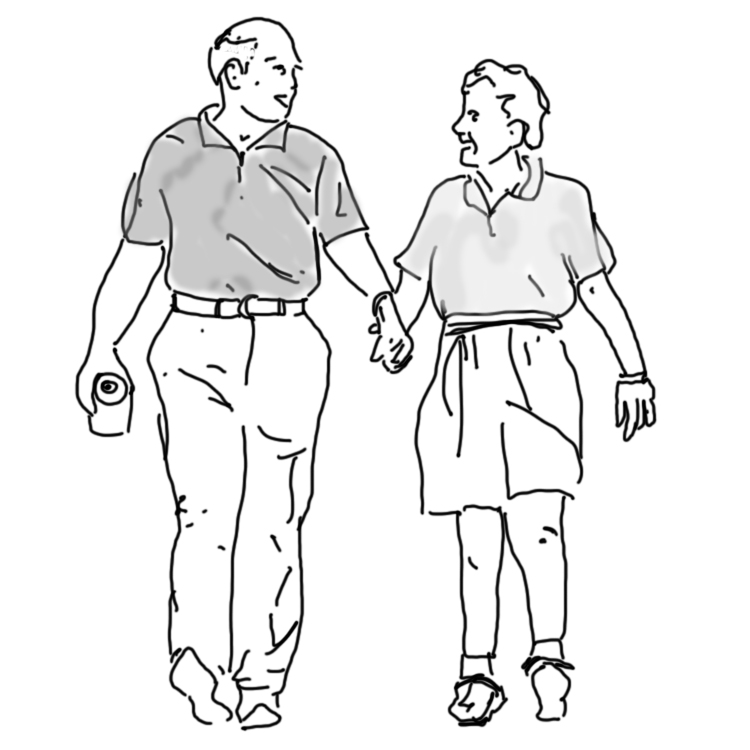
Meet Susan and John. They are an active retired couple who enjoys traveling and visiting their grandchildren. John has multiple chronic health conditions including diabetes, high blood pressure and arthritis. Susan serves as John’s primary care giver and manages his medications and health conditions. The amount of work they must do to deal with John’s medical conditions is in balance with their capacity to do that work and achieve their larger goals.

In the Minimally Disruptive Medicine care model, John is assigned a Care Navigator, Frank, because of his multiple chronic conditions. Frank works with Susan and John on a frequent basis both by phone and in person to address any issues John might have either socially or medically. Frank is especially interested in any goals the couple has like traveling and losing weight and takes care to make sure any care plan is in line with the goals. Frank has access to a database of social service connections and is a member of John’s health care team so he is able to relay relevant information back and forth from John and Susan to John’s care team.
John suffers a stroke that hospitalizes him.

In the traditional medical model, John is seen by multiple specialists, each with different plans of care, diets and medications. Often these visits take place when Susan is not able to be present and the couple is left to reconcile all of the information they were given when John is released from the hospital. While his capacity has been reduce by illness his workload has increased with new diets, medications and plans.
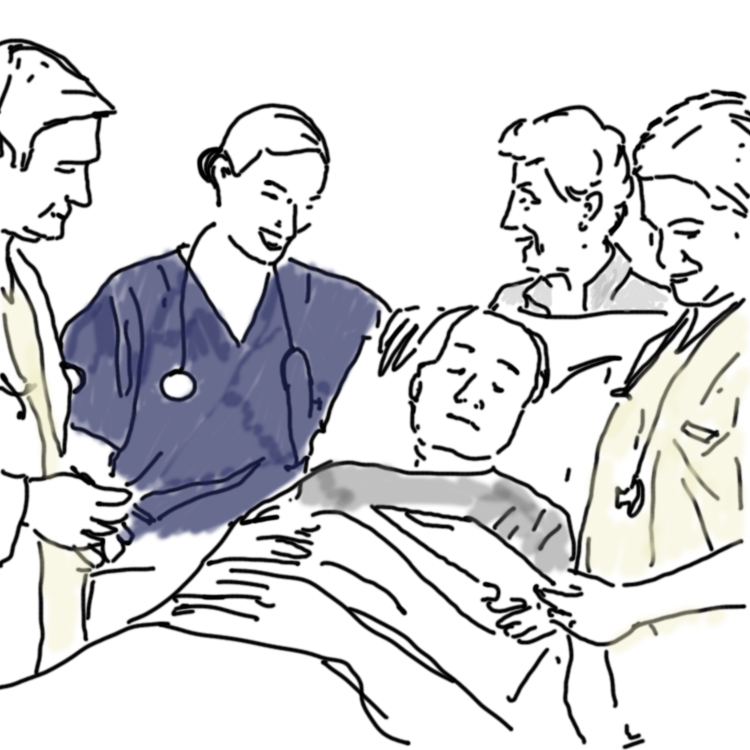
In the Minimally Disruptive Medicine model John is cared for by a care team that includes physicians, dietitians, pharmacists, social workers, nurses, a care manager and care navigator. This care team consults carefully with specialists to ensure that a cohesive plan of care that aligns with John’s goals and work capacity balance is developed.
A care manager, Lucy, works with Frank, the care navigator, to ensure that the clinical goals of the care team work with and not against John and Susan’s goals and desires. The care manager serves as a counterpart to the care navigator as a liaison to the clinical team.
John is released from the hospital.
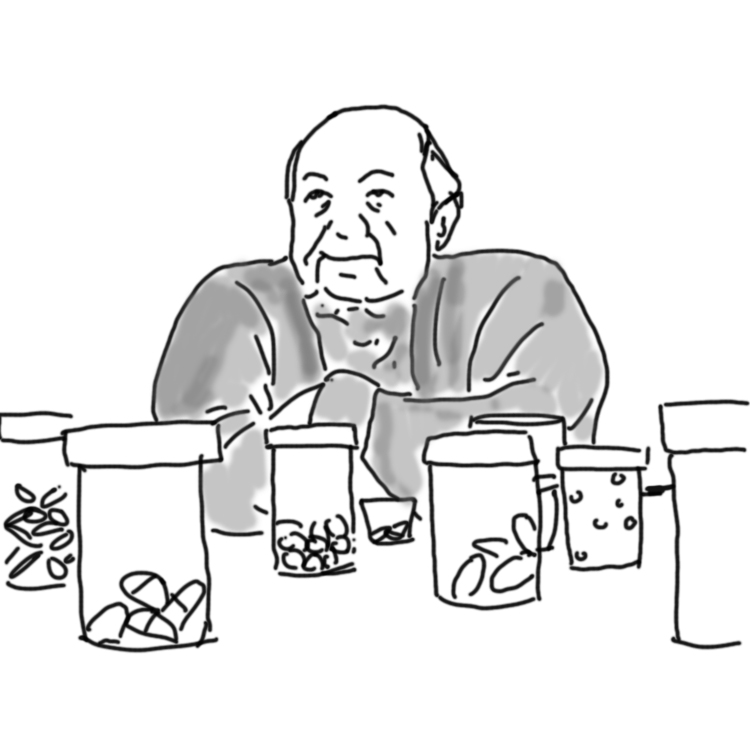 In the traditional medical model, John is sent home with a confusing dismissal summary, multiple new medications, conflicting diet plans, and two different rehab programs. John and Susan are unsure who to contact for follow up questions and instead try to make due as best they can with the information they have. Both John and Susan’s work to care for John has been increased while John’s capacity has been greatly reduced due to his illness.
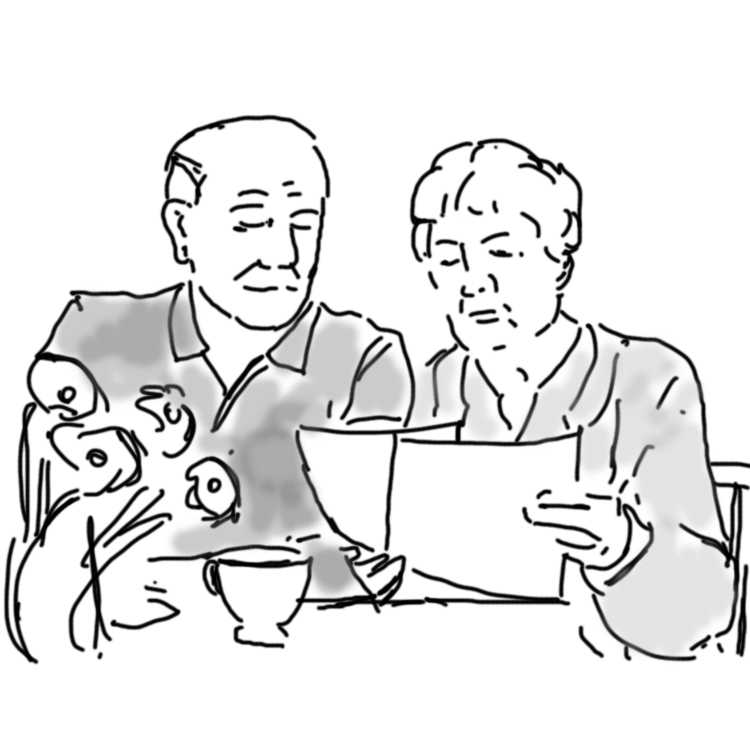
In the Minimally Disruptive Medicine model John and Susan leave the hospital with a care plan that was discussed with them before leaving. The care plan is sensitive to the goals John and Susan are striving towards and includes contact information for their care team. John and Susan can call Frank with questions and concerns and Frank provides them not only with clarification but also community resource connections. Frank reports information directly to Lucy who is able to relay updates to the care team on a regular basis. Frank pays special attention to the couple’s work capacity balance.
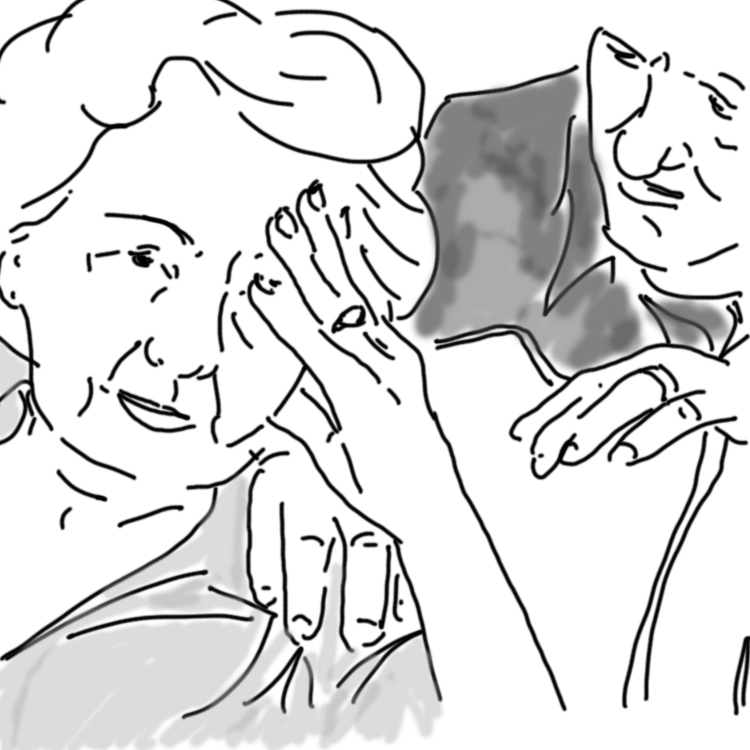
In the traditional medical model, John’s health continues to decline and the stress of the situation and caring for her spouse begins to affect Susan’s health. The work she must do for John is a huge burden for her.
Susan feels she is becoming depressed and is no longer able to function at the level she had before the hospitalization. Because of this Susan’s capacity to do the increased work is reduced.
As Susan falls into a depression her ability to care for John is reduced and John’s health declines further.
With few resources, John and Susan continue to manage their declining health on their own.

In the Minimally Disruptive Medicine care model the care team continues to meet regularly even after John’s release from the hospital.
Physicians, nurses, care managers, care navigators, pharmacists, social workers and dietitians work together to make sure the plan of care that is developed reduces the amount of work the couple must do and increases their capacity to do it.
When specialty consults are necessary, the team reaches out to the relevant specialist and then brings the recommendations back to the larger group to ensure they are inline with the larger plan.
The team utilizes a dashboard to allow for an accurate understanding of the John and Susan’s work and capacity levels.
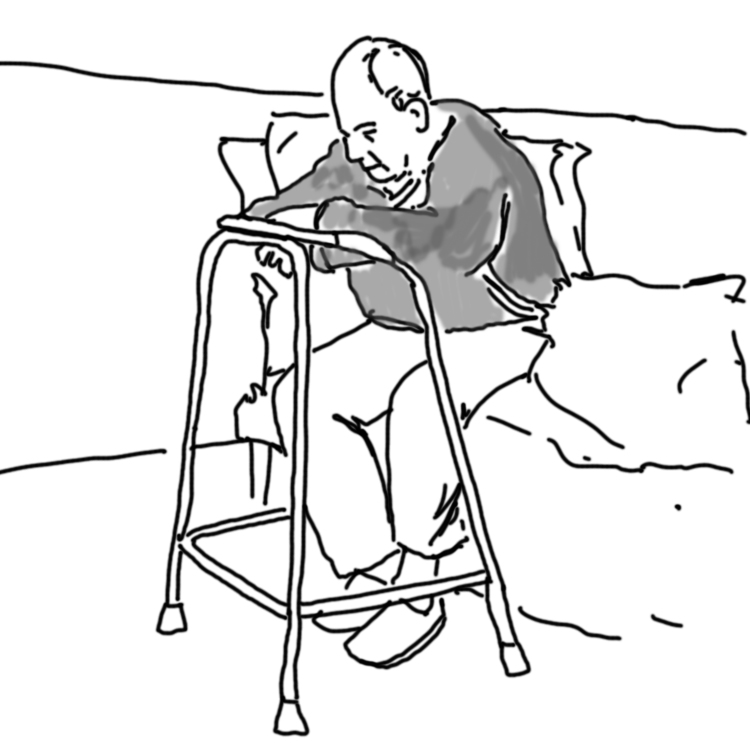
In the traditional medical model, John’s capacity continues to decline as his conditions are not well managed. Additionally his work has not been reduce and has in fact increase now that Susan is struggling with problems of her own.
The traditional medical model has placed John and Susan in a seemingly never ending loop that continues to add work to their lives while providing no additional capacity. John will struggle to improve over time and will likely continue to have expensive hospitalizations.

In the Minimally Disruptive care model John and Susan’s work and capacity balance is carefully monitored by their care team.
The care team develops care plans that help the couple
A colleague just brought this piece by Gerard Anderson from Johns Hopkins published in US News and World Report Health section.
Mr. Anderson does a good job at focusing attention on the matter of patients with multiple chronic conditions, the focus of our attention in minimally disruptive medicine. He also makes the point that this problem affects the elderly, but only the elderly. This is in part due to the explosion of risk-defined diseases (diseases defined by committee) and the general deterioration in quality of life and well being in our populations. It is also summarizes well how unfit the healthcare system is at managing these patients. Indeed, we believe minimally disruptive medicine is one approach that the healthcare system can take on to begin to overcome its limitations. What justifies this effort? Mr Anderson summarizes it as follows:
People with five or more chronic conditions
- Represent 22% of all Medicare beneficiaries and 69% of all Medicare spending
- See an average of 13 physicians per year
- Fill approximately 50 prescriptions
- Are 99 times more likely to have a preventable hospitalization than someone without a chronic condition, and 98 percent of all hospital readmissions within 30 days occur in Medicare beneficiaries with five or more chronic conditions.
Can goldilocks care, care that fits the patient’s context (multicomorbidity, limited capacity to face the demands their care requires), and the patient goals be the solution?
It is our impression that many healthcare systems are ready to take on a change in their practice to accommodate this model of care. The financial models, the workforce training and readiness, and the technological underpinnings will take time and dollars to develop. But this is an innovation worth pursuing. And that is the road our team is treading.
Our friends at Mayo Clinic’s Center for Innovation are working hard at developing assessments of capacity for patients. This is particularly important – and why they are working with our team – when we want to reduce the burden of treatment, the result of healthcare demands exceeding the capacity to access, use, and enact healthcare that affects overwhelmed patients with multiple chronic conditions.
In minimally disruptive medicine, the healthcare system should partner with patients, caregivers, and the community to manage the workload/capacity balance. One way that this balance can be restored is by reducing treatment burden, i.e., workload. Another one, is to enhance the capacity to face those demands. This requires support for patients and caregivers. Some of that support may come from enhancing community support.
The CFI team has developed these tools. What do you think? Could something like this be helpful as part of a ‘goldilocks’ dashboard?
 Minimally Disruptive Medicine